How to hire a freelance video editor (and write the brief)
Hiring a freelance video editor takes more than watching a showreel. This guide covers what to check in a portfolio, which questions to ask about turnaround, revision rounds, deliverables and usage rights, the red flags to watch for, and a brief template you can copy and paste.
MoBenFreelance video creator
Contents
- What kind of video editor do you need?
- How to evaluate a video editor’s portfolio
- Process, turnaround and revision rounds
- Deliverables, formats and source files
- Working remotely: communication and file transfer
- Questions to ask a freelance video editor before hiring
- Red flags before you sign
- What affects the cost of video editing
- Contract and usage rights: the basics
- Video editing brief template (copy and paste)
- Key takeaways
- FAQ
To hire the right freelance video editor, first check that they have already edited the kind of video you need, then ask them to spell out their process: turnaround, revision rounds, deliverables, source files and usage rights. After that, the result depends largely on your brief. This guide gives you the hiring criteria, the questions to ask, the red flags, the contract basics and a video editing brief template to copy and paste.
Full disclosure: I’m a freelance videographer and editor myself, and this site offers video editing and post-production services. The advice below applies to any editor you hire, whether that’s me or someone else.
What kind of video editor do you need?
Before comparing profiles, answer three questions: what video, for what goal, and how often.
- One-off project or ongoing work: a brand film is a project; weekly Reels or a podcast need an editor who is available over time.
- Existing footage or a shoot to plan: if nothing is filmed yet, look for a videographer who shoots and edits, or plan for both from the start.
- Language of the content: to cut an interview or write captions, the editor has to understand what is being said, whether it’s English, French, Arabic or Moroccan Darija.
Then pin down the specialty. The software is the same, but the instincts change from one format to another.
VSLs and sales videos
A VSL (video sales letter) follows a sales script: the editor sticks to the argument, makes each step easy to follow with on-screen text, holds the pace over several minutes and makes the call to action clear. Ask to see complete sales videos, not just snippets. The VSL editing service page details this kind of work.
Reels, TikTok and Shorts
Short-form video lives or dies in the first seconds: a visual hook, readable captions, text kept clear of the areas covered by the app interface, tight pacing. Look at whole series, not one video that happened to take off. That’s the core of a Reels, TikTok and Shorts editing service.
Video podcasts and interviews
A filmed podcast means syncing several cameras and mics, cleaning up the audio, cutting hesitations without distorting the conversation, and often pulling vertical clips. Listen closely to the episodes in the portfolio. This is what a video podcast and interview editing service handles.
Corporate video and brand content
Here the editor works with brand guidelines, interviews, B-roll and often several people signing off. They need to keep things clean, respect the brand’s codes and deliver captioned versions for LinkedIn or the website.
How to evaluate a video editor’s portfolio
A showreel packs an editor’s best moments into a very short time. To know whether they can edit your video, look further:
- complete videos, two or three, close to your format and length;
- clarity of the message: after watching, can you sum up what the video said?
- pacing: cuts that land at the right moment, dead air removed, attention held without fatigue;
- sound: clear voices, music that doesn’t bury the speech, consistent levels;
- captions and graphics: readable, free of typos, true to the brand;
- their exact role on each project: editing, motion design, color grading, shooting, or only part of it.
Be wary of a portfolio built only on trendy transitions and template effects. Good editing is less visible than people think: what matters is flow and clarity.
Process, turnaround and revision rounds
A professional editor can describe their workflow. The most common sequence looks like this:
- Brief and files received, plus a kickoff call if needed.
- Footage review: sorting takes and selecting the useful moments.
- First cut (V1): structure and pacing, without all the finishing.
- Your consolidated feedback, then a revised version.
- Finishing: sound mix, color grading, captions, graphics.
- Exports in the agreed formats and delivery.
Turnaround time
A deadline only means something if you know when it starts: at signature, at the deposit, or once every file has arrived? Also ask how long each round of revisions takes. Turnaround depends on the amount of footage, the complexity and your own approval time.
Revision rounds
A revision round is one consolidated list of feedback, sent in one go, followed by a new version. Ask how many rounds are included (two, for example) and what extra rounds cost. Changing the script, the structure or the approved music after V1 is usually treated as a new request, not a revision.
Deliverables, formats and source files
Put in writing what you will receive. A typical list:
- a high-quality master file, for archiving and future cut-downs;
- versions per platform: 16:9 for YouTube and your website, 9:16 for Reels, TikTok and Shorts, 4:5 or 1:1 for the Instagram feed and some ads;
- versions with and without burned-in captions, plus a separate caption file (SRT is one of the caption file formats YouTube supports);
- any clips or teasers, with a clear naming convention for every file.
For YouTube, Google recommends an MP4 file encoded in H.264 with AAC-LC audio, at the frame rate it was shot in (YouTube’s recommended upload encoding settings, checked October 2026). For vertical video, see our guide to Reels, TikTok and Shorts formats and lengths.
Source files and the project file
The project file (Premiere Pro, DaVinci Resolve, After Effects) isn’t always included. If you want to be able to hand the work to someone else later, ask for it in the brief and in the quote; it’s useless without the footage, fonts, music and sometimes the same plugins. Also ask how long your files will be archived, and always keep your own copy of the footage.
Working remotely: communication and file transfer
Remote editing works very well, whether you’re in Casablanca, Paris, Dubai or New York, as long as a few rules are set from day one:
- one point of contact who gathers the whole team’s feedback;
- an agreed channel (email, WhatsApp, Slack) and expected response times, time zones included;
- original files, via Google Drive, Dropbox, WeTransfer or a hard drive for large volumes, rather than messaging apps, which often compress video;
- organized folders: footage by day or camera, separate audio, logo, fonts, licensed music, script;
- time-coded feedback: “01:12, cut the sentence about price” is actionable, “make it punchier” isn’t. A review tool such as Frame.io lets you comment directly on the timeline;
- delegated access rather than passwords if the editor has to publish on your accounts.
Questions to ask a freelance video editor before hiring
Ask them on the first call or by email. How they answer matters as much as what they say.
- Which projects like mine have you edited, and what exactly did you do on them?
- How does a project with you work, step by step?
- When will I get the first cut, and when does that clock start?
- How many revision rounds are included, and what counts as a round?
- Which deliverables and formats are included? Is the project file part of it?
- Which licenses do you use for music, fonts and stock footage?
- Do you work alone, or do you subcontract some tasks?
- What happens if the project is paused or canceled halfway?
- What else do you need from me to give an accurate quote?
Red flags before you sign
- no written quote, or a quote that says nothing about deliverables, turnaround or revisions;
- a portfolio you can’t verify: a showreel only, no complete videos, a vague role;
- guaranteed results (views, sales, going viral): an editor controls the quality of the video, not the algorithm;
- no questions about your goal, your audience or your platform;
- vague answers about licensing, or music “found on YouTube”;
- a very low price with no explanation of what’s included;
- slow or confusing communication before you’ve even signed;
- a request for your passwords when delegated access would do.
On the other hand, a test can be reasonable if it’s short, paid and done on a real excerpt of your content. Asking for a long unpaid test isn’t fair to a professional.
What affects the cost of video editing
No rate card here: prices vary by market, experience and scope. The factors that weigh most:
- the final length and the amount of footage to review;
- complexity: motion design, color grading, audio cleanup, captions in several languages;
- the number of versions and formats, and the revision rounds included;
- turnaround, especially for rush jobs;
- licenses (music, stock footage, fonts) and the scope of rights: paid ads, duration, territory;
- footage quality: audio that needs repair or missing cutaways add hours;
- volume: a monthly series isn’t priced like a single video.
One lever is in your hands: footage shot with several angles and plenty of B-roll cuts post-production time. That’s why it pays to shoot for the edit, not just isolated shots.
Contract and usage rights: the basics
General information, not legal advice: rules differ by country and by type of contract. For an important project, have your contract reviewed by a legal professional.
In the United States, a work commissioned from a freelancer is a “work made for hire” only if it falls into certain categories (including a contribution to an audiovisual work) and both parties sign a written agreement that expressly says so, as the U.S. Copyright Office explains in Circular 30 on works made for hire. Otherwise, copyright stays with the editor unless it is transferred in a signed written document.
In France, ordering and paying for a video doesn’t automatically make you the copyright owner: Article L111-1 of the French Intellectual Property Code (in French) states that a service contract doesn’t deprive the author of their rights, subject to the exceptions in the code. Rights are assigned in writing, and Article L131-3 requires each assigned right to be listed, with its scope, purpose, place and duration.
In Morocco, Law No. 2-00 on Copyright and Related Rights provides that contracts assigning economic rights are made in writing, unless otherwise provided (Article 41). If the territory isn’t specified, the assignment is limited to the country where it was granted; if the means of exploitation aren’t specified, it covers only what the intended purposes require (Article 42).
For music, fonts and stock footage, ask which license covers each item: depending on the library and the plan, the editor’s license may or may not cover videos delivered to a client. Unlicensed music can trigger a Content ID claim on YouTube, which can block the video or let the rights holder monetize it.
What a video editing quote or contract should specify
- scope: videos, lengths, versions, formats;
- schedule, including when the clock starts and the V1 date;
- revision rounds included and the rate for extra ones;
- payment: deposit, balance, milestones;
- rights granted: media, paid ads or not, duration, territory;
- whether the project file is delivered, and which licenses are used;
- confidentiality, and whether the editor may show the project in their portfolio;
- how long files are archived, and the cancellation terms.
Video editing brief template (copy and paste)
Copy this list into an email or a shared doc and answer each line in one or two sentences. A complete brief avoids pointless revision rounds and gets you an accurate quote.
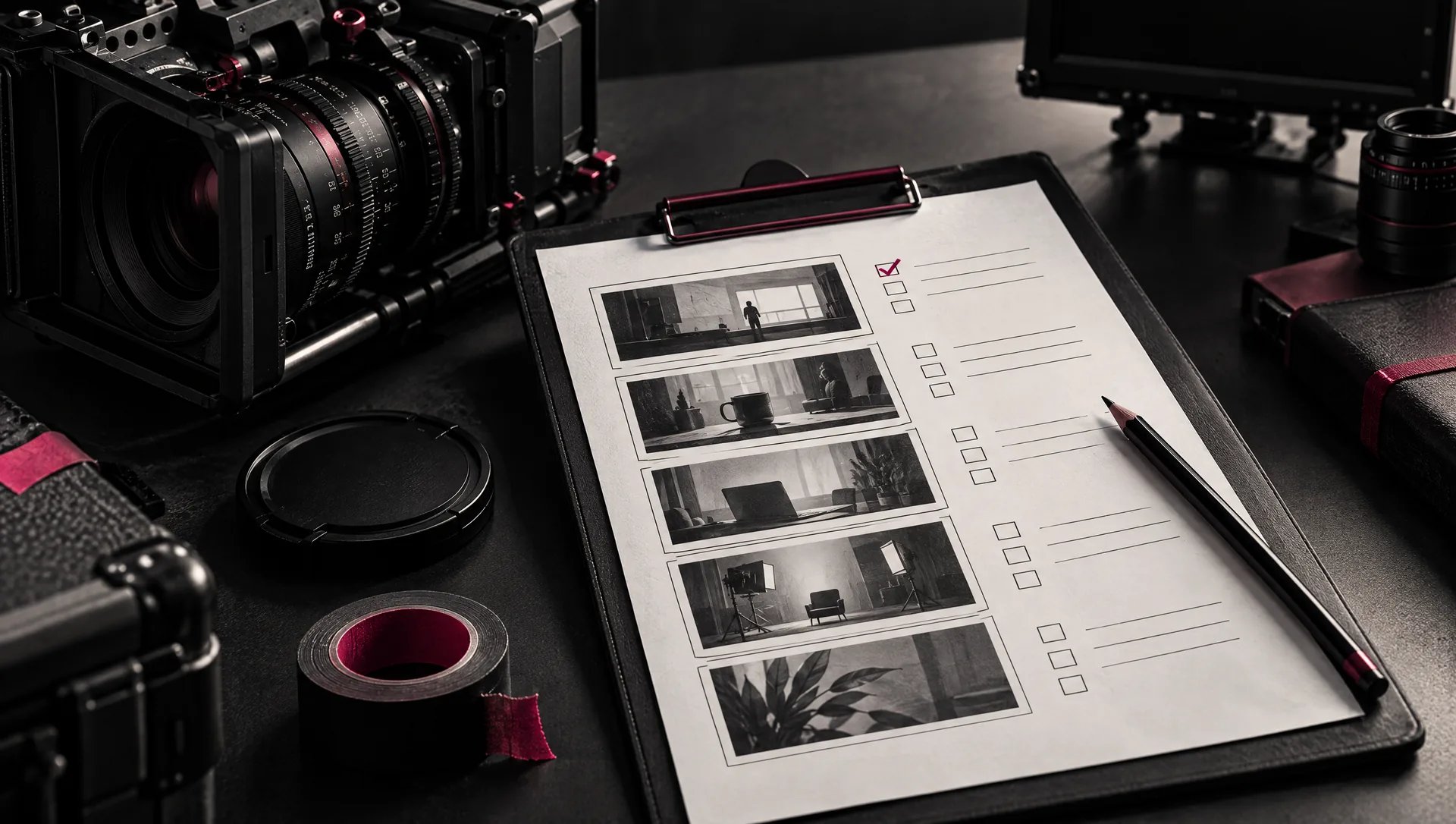
- Goal: what the video should make people do (understand an offer, sign up, buy, apply) and the metric you’ll track.
- Key message: the one sentence viewers should remember.
- Audience: who’s watching, what they already know, which language or dialect they speak.
- Platform and format: YouTube, Instagram, TikTok, LinkedIn, website, paid ads, and the aspect ratios needed.
- Length: the target length of each version.
- References: two or three video links, with what you like (pacing, captions, tone) and what you want to avoid.
- Assets provided: footage, script or transcript, logo, brand guidelines, fonts, licensed music, B-roll, transfer link.
- Must-haves: call to action, legal mentions, end screen, anything that must not appear.
- Deliverables: versions, formats, burned-in captions or not, SRT file, project file.
- Deadline: the actual publishing date and the date you want V1.
- Feedback process: who approves, how many people give input, how fast, with which tool.
- Budget range: even a broad range helps the editor propose the right scope.
This brief works with any editor. If you’d like me to take it on, send it through the contact page with a link to your footage or a reference video.
Key takeaways
- Hire an editor who has already cut your type of video (VSL, Reels, podcast, corporate), and judge them on complete videos.
- Get the process in writing: when the clock starts, how many revision rounds, what extra rounds cost.
- List the deliverables: master, platform versions, captions, project file if you need it.
- Settle usage rights and licenses in writing; for an important project, ask a lawyer.
- A clear brief (goal, audience, platform, length, references, assets, deadline, feedback) beats a long string of revisions.
FAQ
Where can I find a freelance video editor?
Start with referrals from people you trust, then look at editors’ own websites and social profiles (Instagram, LinkedIn, YouTube) and at freelance marketplaces. Marketplaces add reviews and payment protection; hiring directly usually gives you a closer working relationship. Wherever you find them, judge candidates on complete videos and a clear written quote.
How many revision rounds should a video edit include?
There’s no fixed rule: what matters is that the number is written in the quote, along with the rate for extra rounds. Two rounds are often enough when the brief is clear and feedback is consolidated. What multiplies versions is scattered feedback from several people and changes of direction after the first cut.
Should a video editor hand over the source files?
Not automatically. The final videos are always delivered, but the project file and working elements (graphics, captions, music) are a matter of agreement. If you want to edit the video later or switch editors, ask for them in the brief and get them into the quote, since handing them over can come at a cost.
Do I need a contract for a small editing job?
For a small job, a detailed signed quote is often enough, as long as it covers deliverables, turnaround, revision rounds, payment and how the video will be used. Once the video runs as a paid ad or is distributed widely and internationally, a rights clause becomes genuinely useful. This is general information, not legal advice.
How do I compare two video editing quotes?
Bring them to the same scope: number of videos and versions, length, formats, revision rounds, captions, licensed music, rights granted and files delivered. A cheaper quote that leaves out captions, limits you to one round of changes or doesn’t cover the music isn’t necessarily the better deal.
Go further