
Video retention and editing rhythm
Video retention is won in the edit, but not through speed: it comes from a clear opening, consistent pacing, useful cuts, clean sound and visual changes that support the message.

MoBenFreelance video creator
Contents
01 Why editing rhythm affects video retention
Video retention is the ability of a video to keep viewers watching over time. Editing affects retention because it controls what appears, what disappears, how long information stays on screen and when the rhythm changes.
Rhythm is not the same as speed. A fast video can be exhausting and a slow one can be compelling. What matters is the relationship between the message, the image, the sound and the timing of each change.
Rhythm is not about going faster. It is about changing attention at the right moment.
02 The first seconds: set the subject up without delay
The first seconds should make the subject and value of the video easy to understand. A slow introduction delays the promise; a strong opening creates context, builds curiosity and gives the viewer a reason to continue.
What to show right away
- The subject or main benefit of the video.
- A reason to stay: a question, some tension, a promise.
- A first movement, visual or audio, that gives energy.
03 Cuts: re-engage attention without creating noise
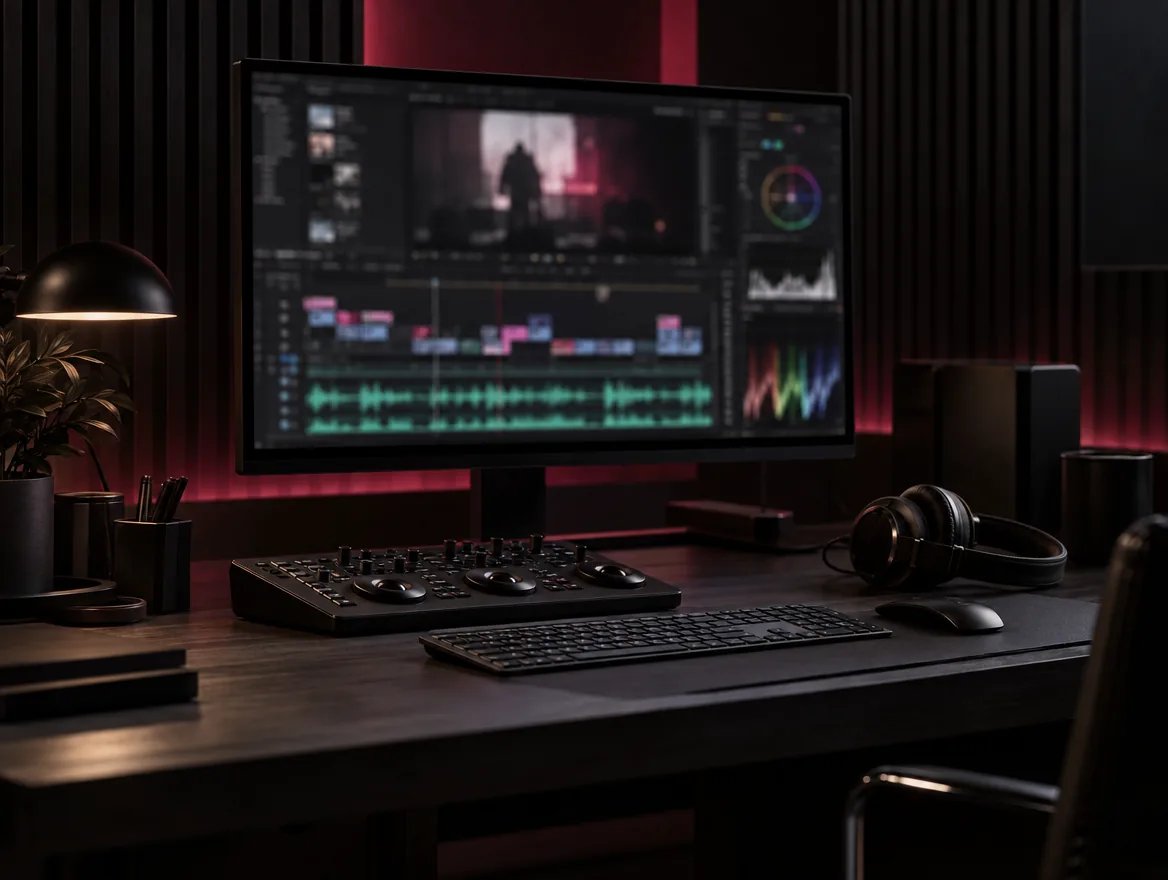
A cut should have a function: remove dead time, introduce new information, change perspective or re-engage attention. Too many cuts create noise; too few can create monotony. The right pacing depends on the content.


Cutting on movement
Cutting during a gesture, movement or camera action can make the transition feel more natural. The viewer follows the action instead of noticing the edit.
04 Sound: the invisible part of pacing
Video pacing is shaped by sound as much as image. Music, silence, voice, ambience and sound design can create tension, mark a transition or give more weight to an important moment.
A clean, well-balanced voice also improves listening comfort. Sound design should support the edit without covering the message or turning every second into a technical demonstration.

Plan the format during the edit
For Reels, TikTok and YouTube Shorts, the screen is smaller and scrolling is faster. The edit should prioritize immediate readability, 9:16 framing and captions clear enough to work when the sound is off.
Key takeaways
Questions about video retention
Do more cuts automatically improve video retention?
No, more cuts do not automatically improve video retention. A cut is useful when it removes dead time, adds information, changes perspective or re-engages attention. Too many cuts tire the viewer: the right pacing depends on the content and the platform.
How can video editing improve retention?
To improve video retention in the edit, first make the opening seconds clear, remove unnecessary pauses and structure the message. Then use shot changes, B-roll, on-screen text, sound design and breathing room to re-engage attention when the content needs them.
Go further